
Whoa!
I didn’t plan to get excited about a wallet today, but here we are.
The crypto space is noisy — scams, gas surprises, UX that makes you squint — and somethin’ about a tool that actually reduces risk feels refreshing.
Initially I thought wallets were all the same, but then I started testing transaction simulation and granular permission controls and realized how big a difference small UX choices make.
Long story short: when a wallet treats simulation and dApp isolation as first-class features, you stop guessing and start transacting with calm confidence, which matters more than you’d think in a fast-moving market.
Hmm… let’s be honest: user behavior is the real attack surface.
People rush, copy-paste addresses from forums, accept broad permissions, and then panic.
My instinct said that better defaults would cut a ton of harm, though actually, wait—let me rephrase that—defaults help, but the workflow has to teach users without nagging them to death.
On one hand you want transparency; on the other hand you can’t overwhelm someone with jargon.
So I look for a wallet that simulates transactions inline and surfaces exactly what a dApp will do before you sign, because that simple preview collapses a lot of risk into a single click of clarity.
Okay, so check this out—I’ve been using a few options and one stood out for me: rabby wallet.
I’m biased, but the transaction simulation flow there saved me from signing a token approval that would have left funds exposed.
That moment made me sit back and say “oh, that’s the one.”
What bugs me about a lot of wallets is they hide execution details behind tiny chevrons and cryptic labels, which is great if you already know what to look for, but terrible for everyone else.
With a clearer simulation you reduce cognitive load, and less confusion means fewer mistakes—very very important.
Transaction simulation isn’t magic.
It shows the steps a contract call will execute, highlights value and token movements, and exposes fallback behaviors that could drain funds if misused.
But simulations depend on accurate state and on-chain calls, so they’re only as good as the node and the analyzer doing the work; a local node or reliable RPC provider makes a real difference.
On top of that, permission scoping matters—limit approvals to specific amounts and contracts, not infinite allowances that persist forever.
If a wallet makes it painless to set a per-transaction allowance, or to revoke approvals later without a blockchain PhD, that’s a huge win for everyday safety.
Integration with dApps is where product design gets interesting.
Good wallets provide an isolation layer so a malicious dApp can’t batch unexpected calls or fabricate UX that tricks you into signing nonsense.
I like features that let you preview each action grouped by intent, like “transfer,” “approve,” or “swap,” and show potential slippage or gas spikes before you confirm.
There are gray areas though—some complex DeFi interactions require multi-step scripts and simulations might under-approximate edge cases, so it’s not foolproof.
Still, a wallet that supports deep simulation plus a clear rollback path for mistakes (or at least a fast way to revoke) changes the risk calculus considerably.
Security features I care about, in rough order: deterministic permissions, transaction simulation, network whitelisting, and easy-to-access revoke UI.
Hardware wallet integration is a baseline for me—use it whenever possible.
But the UX of connecting a hardware device matters; if it’s clunky people won’t use it, so balance is crucial.
I also value audit trails, or at least a readable history that shows what approvals were granted and when, because being able to trace a prior decision helps when things go sideways.
(oh, and by the way…) push notifications for unusual approval attempts are handy, though they can be noisy if implemented poorly.
Practically speaking, here’s a quick checklist I use when evaluating a wallet for heavy dApp use:
1) Does it preview contract calls clearly?
2) Can I set limited allowances instead of infinite approvals?
3) Does it integrate with hardware wallets smoothly?
4) Is there an easy revoke or approval-management UI?
5) Does it offer network-level protections or warnings for uncommon RPC endpoints?
If the wallet answers yes to most of these, it’s worth trusting with non-trivial funds.
On the flip side, know the limits.
Simulations cannot foresee every malicious on-chain condition, and node forks or oracle manipulations can produce outcomes that were not visible in a pre-simulated run.
So use simulation as a risk-reducer, not a guarantee.
Use hardware keys for big moves.
And don’t assume a “nice-looking” dApp is trustworthy just because the UI is slick—trust chains, audits, and community legitimacy still matter.
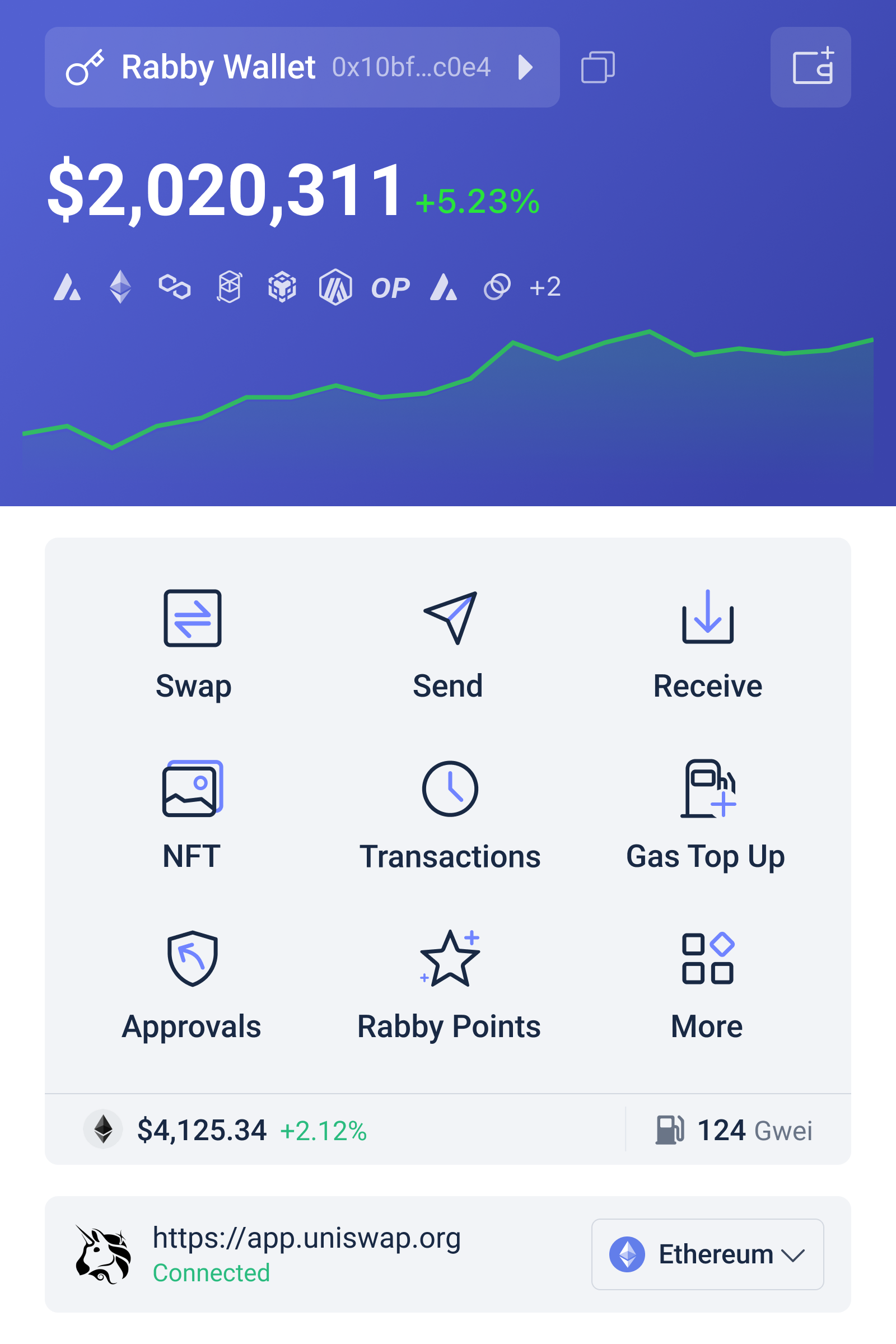
How to get more from your Web3 wallet
Be proactive.
Revoke old approvals, prefer single-use allowances when possible, and test small amounts on new dApps before committing big liquidity.
Use wallets that teach: ones that annotate each step in plain English are worth the tiny time investment now because they save you larger headaches later.
I’ll be honest—I still make dumb moves sometimes; somethin’ about hurry or FOMO gets me too.
But the right wallet nudges you away from avoidable mistakes, which is why I keep coming back to tools that emphasize simulation and permission hygiene.
FAQ
What is transaction simulation and why should I care?
Transaction simulation runs a dry-run of the contract call against current chain state and shows the expected operations, token transfers, and potential failures.
It helps you see what exactly you’ll sign, reducing unexpected consequences and scams, though it’s not a 100% guarantee because on-chain state can change between simulation and execution.
Can simulation replace hardware wallets?
No.
Simulation reduces cognitive risk, while hardware wallets protect private keys; they complement each other.
Use both for higher-value transactions: simulate to verify the logic, then sign with a hardware device to secure the key.